Vietnam North to South: Three Weeks and One Visa Mistake
I nearly did not get into the country, because I assumed a visa on arrival existed at a land border. It does not.
Departures Diary Editorial
August 21, 2026 · 3 min read
Key takeaways
- Most Western passports need a Vietnam e-visa, applied for online in advance.
- Hanoi → Ha Giang → Ninh Binh → Hue → Hoi An → Da Lat → Ho Chi Minh City → Mekong Delta.
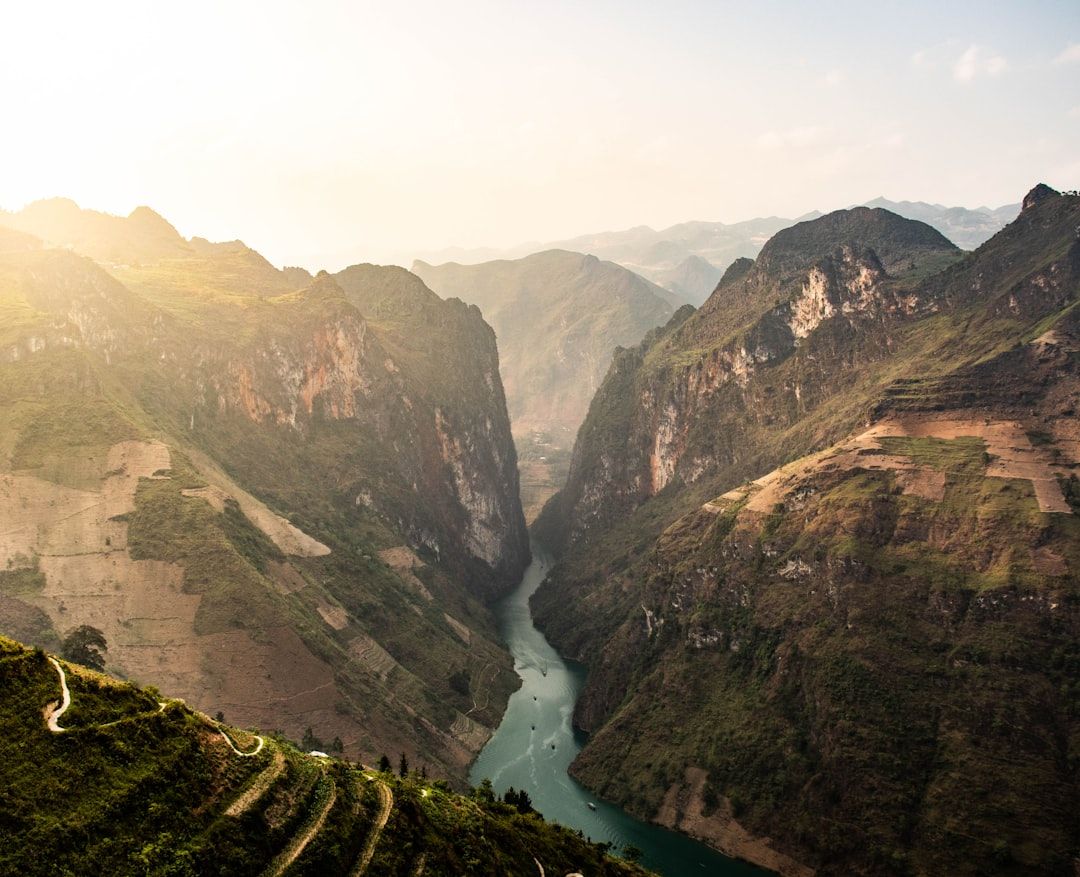
- The loop runs through limestone mountains near the Chinese border — terraced valleys, villages, roads carved into cliffs.
- Ha Giang easy rider, 4 days: $240.
I planned to enter Vietnam overland from Laos and had read that visas on arrival were available. They are not, at least not dependably for independent travellers at land crossings, and I discovered this three days before the border.
The visa
Most Western passports need a Vietnam e-visa, applied for online in advance. It costs around $25 and takes a few working days.
I applied from a guesthouse in Luang Prabang on patchy wifi and it came through with a day to spare. Had it not, I would have been at a remote mountain crossing with no way forward.
Apply before you leave home. It is the single most common preventable failure on the Southeast Asia route.
The route
Hanoi → Ha Giang → Ninh Binh → Hue → Hoi An → Da Lat → Ho Chi Minh City → Mekong Delta. Three weeks, north to south, in February — which meant a cold, drizzly Hanoi and a warm south.
Getting the direction right matters. December to February the north is genuinely cold; May to August the south is in wet season. Fly into one end and out of the other.

Ha Giang, which I nearly skipped
It was not in my original plan. Three people in a Hanoi hostel told me to go, so I did, and it was the best four days of three weeks.
The loop runs through limestone mountains near the Chinese border — terraced valleys, villages, roads carved into cliffs. Most people ride it themselves on a rented motorbike.
I hired an easy rider — a local driver you sit behind — for about $60 a day including accommodation and food. I do not have a motorcycle licence, and most travel insurance excludes motorbike accidents without one. It also meant I looked at the scenery instead of the road, and my rider took me to homestays I would never have found.
Two people on our route came off bikes that week. Neither was seriously hurt. Both were uninsured.
Trains and buses
I did Hanoi to Hue on the overnight train in a soft sleeper — four berths, about 700,000 dong, and I slept properly.
The leg not to miss is Hue to Da Nang in daylight. Three hours, about 120,000 dong, and the line runs over the Hai Van Pass with the sea below the window. Sit on the right heading south. Most people take a bus through the tunnel and miss it entirely.
Sleeper buses I used twice, for Da Lat where there is no railway. They are fully reclining pods, cheaper than the train, and driven fast at night. At 183 cm I did not fit comfortably.

What it cost
| Item | 21 days |
|---|---|
| Accommodation (private rooms) | $290 |
| Food | $180 |
| Transport including sleepers | $170 |
| Ha Giang easy rider, 4 days | $240 |
| Ha Long Bay boat, 2 days | $95 |
Under $1,000 for three weeks, and I stayed in private rooms throughout because at $12–20 they cost barely more than dorms.
Vietnam is still substantially cash-based for visitors — the domestic QR payment apps need a local bank account — so plan on ATM withdrawals.
What I would change
More time in Ha Giang and less in Ho Chi Minh City. The north is where the country is most itself.
Skip one sleeper bus and fly. A $50 domestic flight against fourteen hours is worth it once.
Learn the road-crossing rule earlier. Walk slowly and predictably into the traffic and it flows around you. Stopping suddenly is what causes problems. It took me four days to trust it and it works.
Frequently asked questions
Can you get a Vietnam visa on arrival at a land border?
Not reliably as an independent traveller. Most Western passports need an e-visa applied for online before travelling, costing around $25 and taking a few working days. Arriving at a remote land crossing from Laos or Cambodia without one is a serious problem, since there is no dependable counter to issue one.
Is the Ha Giang loop worth doing?
It is the highlight of most Vietnam trips. Three or four days through limestone mountains near the Chinese border, either riding yourself or sitting behind a local easy rider. Hiring a rider costs around $60 a day and removes the risk entirely, which matters given most travel insurance excludes motorbike accidents without the right licence.
Sleeper train or sleeper bus in Vietnam?
The train for the long coastal legs — soft sleeper compartments have four proper berths and the Hue to Da Nang section over the Hai Van Pass is genuinely scenic. Sleeper buses are cheaper and reach places the railway does not, notably Da Lat and Ha Giang, but they drive fast at night and the pods suit shorter passengers.
How much does three weeks in Vietnam cost?
Around $700 to $1,000 excluding international flights. Private rooms run $12 to $20, street meals $1.50 to $3, and the long sleeper legs $25 to $40 each. The costs that stand out from that baseline are the Ha Giang loop, any diving, and Ha Long Bay boat trips.
Departures Diary Editorial
Travel stories from 40+ countries
Travel writers documenting slow journeys and dispatches from the road with first-person narratives.