Iceland in Summer: Midnight Sun, Full Car Parks and No Darkness
The summer version of Iceland has reliable roads and no northern lights, and I underestimated how much a sky that never darkens changes a trip.
Departures Diary Editorial
August 15, 2026 · 3 min read
Key takeaways
- Between late May and mid-July the sun barely sets.
- July on the south coast is busy.
- The F-roads open roughly late June to early September, which is the only window for Landmannalaugar, Þórsmörk and Askja.
- Highland bus, Landmannalaugar: ISK 24,000.
I had been to Iceland in October and went back in July expecting the same country with better roads. It is not quite the same country, and the thing that surprised me most was the light.
No darkness at all
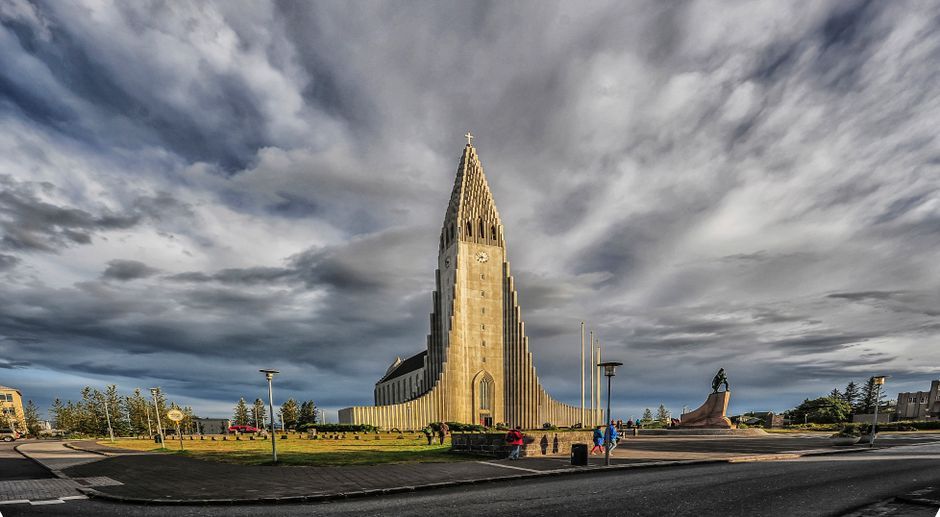
Between late May and mid-July the sun barely sets. At 1am in Vík it was bright enough to read outside.
Two practical consequences I had not thought through:
Sleep. Guesthouse curtains in Iceland are frequently thin, and my body did not accept that midnight was night. A proper eye mask is not optional. I bought one on day two and it fixed the trip.
Schedules dissolve. There is no natural end to the day, so you keep driving, keep walking, and then realise it is 11pm and you have been going for sixteen hours. I was more tired in summer Iceland than in winter Iceland, which I did not anticipate.
The upside is real though: you can visit the busiest sites at 8pm and have them nearly to yourself, in good light.
The crowds, and how to avoid them
July on the south coast is busy. The car parks at Seljalandsfoss, Skógafoss and Jökulsárlón fill from mid-morning and stay full until evening.
The midnight sun is the answer. Before 9am or after 6pm the same sites are calm, and the light at those hours is better anyway. I did Skógafoss at 9pm with maybe eight other people.
Beyond timing: the Westfjords and the east get a small fraction of the traffic. The Ring Road's southern quarter carries most of the country's visitors.
What summer unlocks
The highlands. The F-roads open roughly late June to early September, which is the only window for Landmannalaugar, Þórsmörk and Askja.
These legally require a 4x4 and involve unbridged river crossings that most rental insurance excludes. I did not want that liability, so I took the highland bus to Landmannalaugar instead — it runs in season, costs a fraction of a 4x4 hire, and removed the entire risk. That was the right call.
Puffins, roughly May to August, at Látrabjarg in the Westfjords and Dyrhólaey on the south coast.
Reliable roads. No closures, no ice, no checking road.is with anxiety every morning — though I still checked, out of habit from October.
What summer costs you
No aurora. None, at all, until late August at the earliest. If the northern lights are the point of the trip, summer is the wrong season entirely.
Higher prices. Accommodation in July ran noticeably above what I paid in October for comparable places.
Booking pressure. Guesthouses on the south coast were full weeks ahead, where in October I had booked most of them a few days out.
Costs, seven days, two people
| Item | Cost |
|---|---|
| Car hire + gravel and ash cover | ISK 128,000 |
| Fuel | ISK 34,000 |
| Guesthouses | ISK 205,000 |
| Food (mostly Bónus) | ISK 68,000 |
| Highland bus, Landmannalaugar | ISK 24,000 |
Still take the gravel and sand-and-ash insurance in summer. The gravel does not care about the season, and the south-coast sandstorms are if anything a summer phenomenon.
Which season I would pick
They are different trips. Summer for the highlands, puffins, reliable driving and long light. Winter for aurora, ice caves and empty sites, at the cost of losing days to weather.
Having done both, the thing I would tell someone choosing: if you want to drive Iceland, go in summer. If you want to see something specific — the lights, an ice cave — go in winter and accept that the roads will decide part of your itinerary.
Frequently asked questions
Does it get dark in Iceland in summer?
Not properly between roughly late May and mid-July, when the sun barely sets and the sky stays light through the night. This makes the northern lights impossible to see in that period and disrupts sleep for many visitors — a good eye mask is genuinely necessary rather than a nicety.
When do Iceland's highland F-roads open?
Typically late June to early September, with exact dates published each year by the road authority and depending on snowmelt. They legally require a 4x4, involve unbridged river crossings excluded by most rental insurance, and driving them in a two-wheel-drive car voids the rental agreement entirely.
Is summer or winter better for visiting Iceland?
Summer gives reliable roads, highland access, long days and puffins, at the cost of crowds, higher prices and no aurora. Winter gives northern lights, ice caves and empty sites, at the cost of short daylight, frequent road closures and much more weather disruption. They are genuinely different trips rather than better and worse versions of one.
How crowded is Iceland in July?
The Golden Circle and south coast sites are busy, with car parks at Seljalandsfoss, Skógafoss and Jökulsárlón filling from mid-morning. Arriving before 9am or after 6pm — which the midnight sun makes entirely practical — avoids most of it, and the Westfjords and east remain quiet regardless.
Departures Diary Editorial
Travel stories from 40+ countries
Travel writers documenting slow journeys and dispatches from the road with first-person narratives.