A Week in One Tokyo Neighbourhood
I stayed in Yanaka for seven days and left the district maybe four times, which is how I finally understood a city I had visited twice before.
Departures Diary Editorial
August 15, 2026 · 3 min read
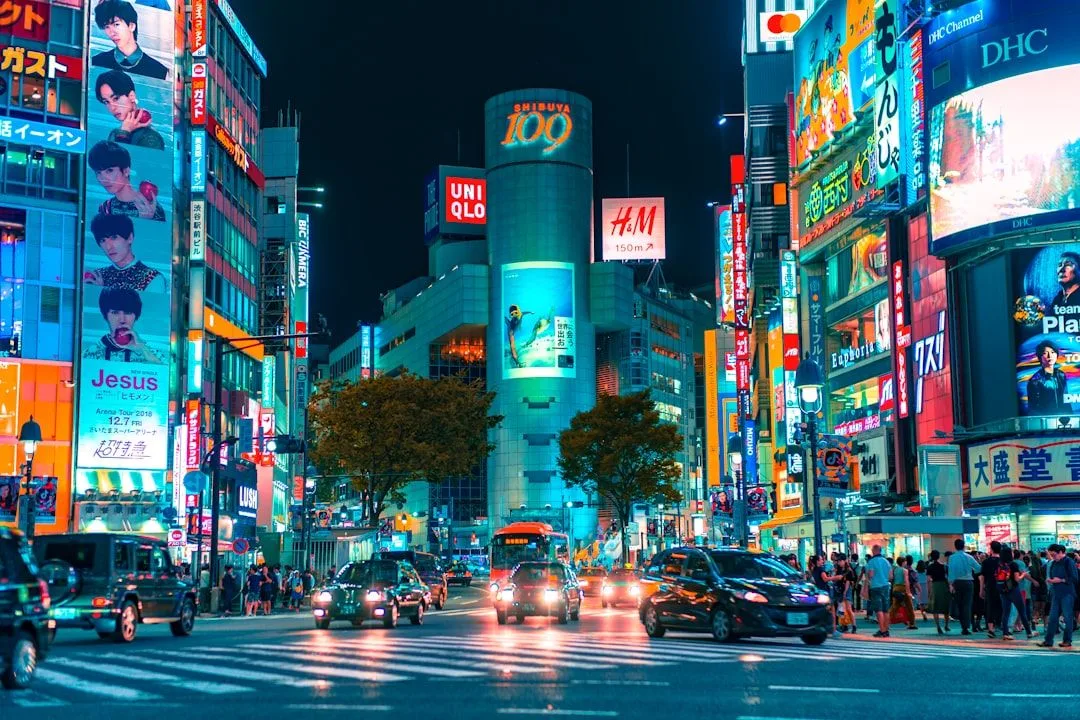
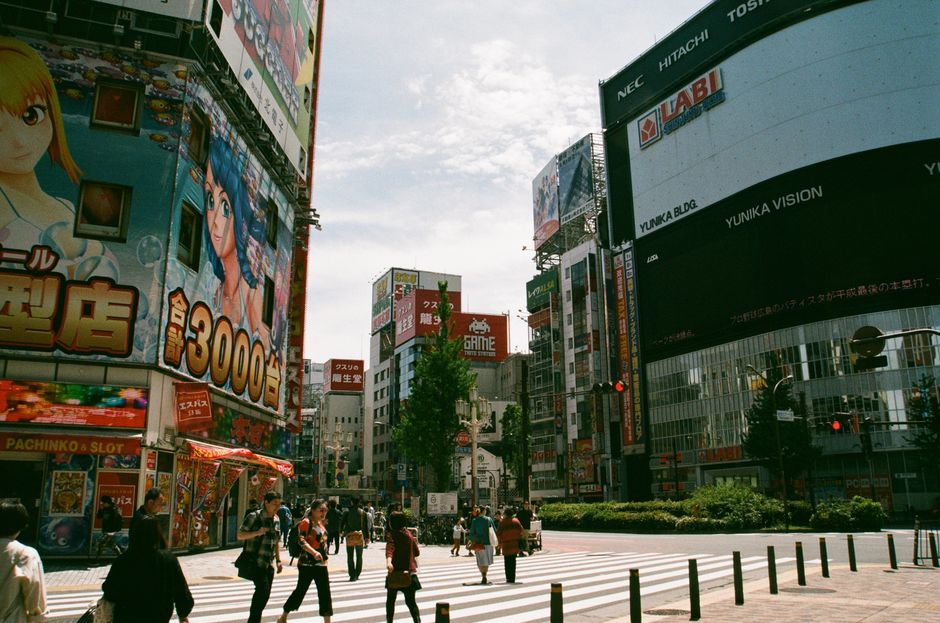
This was my third trip to Tokyo. The first two I did properly — Shibuya, Shinjuku, Asakusa, Akihabara, teamLab, a day trip to Kamakura. I saw a great deal and retained almost none of it.
This time I booked a small apartment in Yanaka for seven nights and mostly stayed there.
Why the checklist stops working
Tokyo has no centre. The famous districts are 30 to 50 minutes apart on the Yamanote loop, and each is dense enough to absorb a full day.
My previous trips had me doing three districts a day. That is roughly two hours of trains and three shallow impressions, repeated until the fortnight ends and everything blurs into a single memory of a station.
Yanaka is in the northeast, low-rise, and survived both the 1923 earthquake and the war, which almost nothing else in Tokyo did. Wooden houses, a large cemetery, a shopping street, temples, and cats.
What a week in one place actually looked like
The kissaten. I found a coffee house two streets from the apartment — dark wood, siphon coffee, jazz on vinyl, no wifi, no conversation. I went five mornings. By the third the owner nodded at me and started making what I had ordered before. That is not a large thing and it is the thing I remember most clearly from three trips to Japan.
The sentō. The neighbourhood bathhouse, ¥520. Wash thoroughly at the seated showers first, then get into the very hot bath with a dozen local men who have been doing this daily for decades. Nobody looked at me twice after the first visit.
Yanaka Ginza, the shopping street, at three different times of day. Morning it is deliveries and old people; late afternoon it is families and the croquette shop with a queue; evening it is quiet again.
The cemetery, which sounds morbid and is one of the most peaceful places in the city — a grid of paths under cherry trees where people walk their dogs.
The four times I left
The Tokyo National Museum in Ueno, twenty minutes' walk. Tsukiji outer market for breakfast, once, before 9am. A day trip to Kamakura. And one evening in Shinjuku, which after a week in Yanaka felt like a different planet and was much more enjoyable as a contrast than as a base.
Four excursions in seven days, against roughly twenty on my previous trip.
What it cost
| Item | 7 days |
|---|---|
| Apartment, weekly rate | ¥62,000 |
| Food (konbini, local restaurants, some cooking) | ¥24,000 |
| Transport (Suica) | ¥4,800 |
| Museum, sentō, day trip | ¥9,500 |
The weekly apartment rate came in below what seven nights of a Shinjuku business hotel would have cost, and having a kitchen and a washing machine changed both the food budget and the amount of clothing I needed.
Transport was ¥4,800 for the week because I was walking almost everywhere. On my previous trip, crossing the city constantly, it was three times that.
What I would tell someone on their first Tokyo trip
Do the famous districts — they are famous for reasons. But give yourself at least four consecutive days somewhere residential, and resist the urge to fill them.
The city does not open up because you saw more of it. It opens up because you were in one part of it long enough to stop being lost.
Frequently asked questions
Is it worth staying in one Tokyo neighbourhood?
For a stay of five days or more, yes. Tokyo's districts are 30 to 50 minutes apart and each is dense enough to fill days, so an itinerary crossing the city repeatedly spends hours on trains for shallow visits. Basing yourself in one residential area gives you a routine and a far better sense of the city.
Which Tokyo neighbourhoods suit a longer stay?
Yanaka for a low-rise old-city feel, Shimokitazawa for second-hand shops and small bars, Kōenji for music and a lived-in atmosphere, and Kagurazaka for narrow lanes and good food. All are residential, well connected and considerably cheaper than Shinjuku or Shibuya.
Can visitors use a Japanese sento?
Yes. A sento is a neighbourhood public bathhouse, distinct from a geothermal onsen, costing around 500 yen. Wash thoroughly at the seated showers before entering the bath, keep the small towel out of the water, and be aware that visible tattoos are still refused at some establishments.
Are weekly apartment rates cheaper in Tokyo?
Frequently, and by a meaningful margin over nightly hotel rates. Serviced apartments and monthly-stay operators often price a week well below seven nights of a business hotel, and having a kitchen and laundry changes the daily cost of eating considerably.
Departures Diary Editorial
Travel stories from 40+ countries
Travel writers documenting slow journeys and dispatches from the road with first-person narratives.