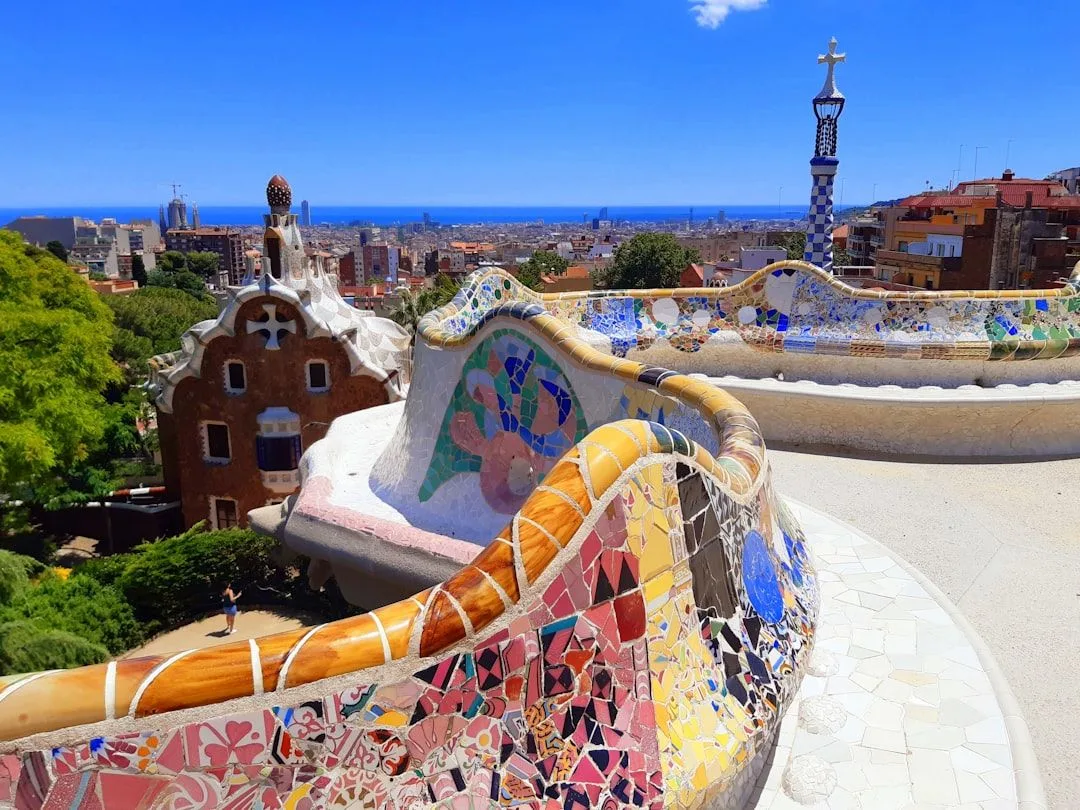
Spain: Eating at the Wrong Times for Four Days
I spent my first days in Madrid unable to find dinner before nine and lunch after four, and once I gave up and adopted the schedule the country made sense.
Departures Diary Editorial
August 15, 2026 · 3 min read
Key takeaways
- Everywhere that was open was empty and had a menu with photographs on it.
- Spanish meal times are genuinely different, not slightly shifted.
- A fixed-price weekday lunch: three courses, bread and a drink, typically €12–18, at ordinary restaurants everywhere in Spain.
- My friend booked the same train six weeks out and paid €29.
- Comida (lunch): 1:30–3:30pm — The main meal.
My first evening in Madrid I went looking for dinner at seven. Everywhere that was open was empty and had a menu with photographs on it. I ate badly, twice, before working out what was happening.
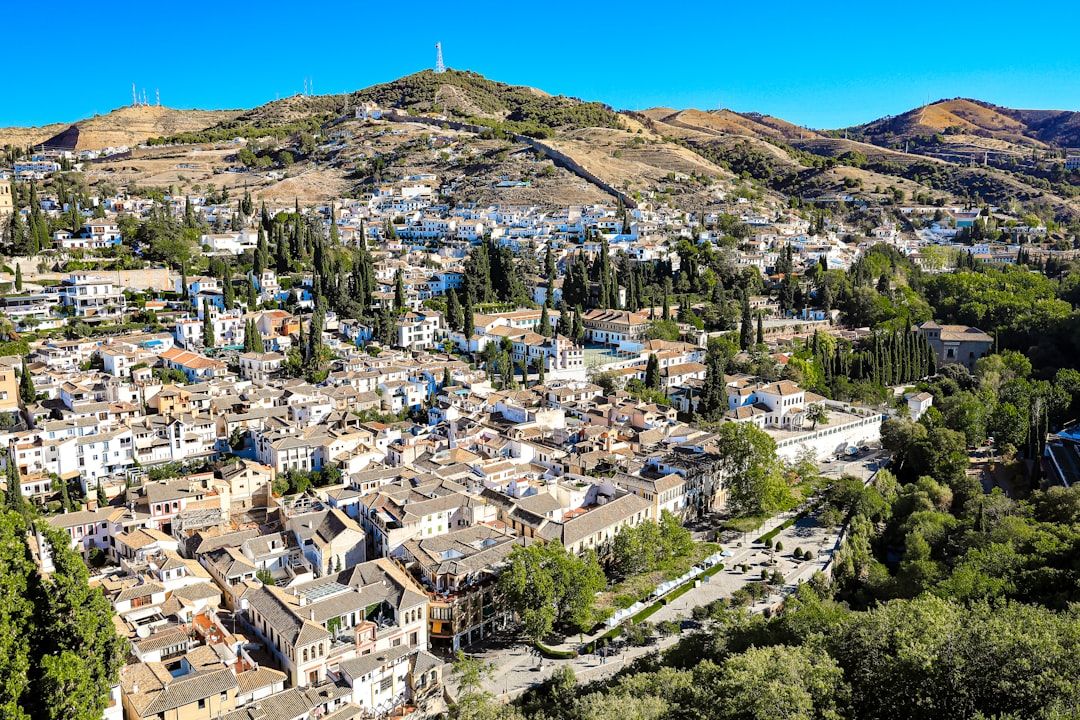
The schedule
Spanish meal times are genuinely different, not slightly shifted.
| Meal | Time | Notes |
|---|---|---|
| Breakfast | 8–10am | Small — coffee and toast |
| Almuerzo (snack) | 11am | Common, a small bite |
| Comida (lunch) | 1:30–3:30pm | The main meal |
| Merienda | 6pm | Coffee and something sweet |
| Cena (dinner) | 9–11pm | Lighter than lunch |
A restaurant serving dinner at 7pm is serving tourists. That is not snobbery — it is a reliable indicator, and the food follows.
Once I switched to eating my main meal at lunch, everything improved. Which brings me to the thing I wish I had known on day one.
The menú del día
A fixed-price weekday lunch: three courses, bread and a drink, typically €12–18, at ordinary restaurants everywhere in Spain.
It is what Spanish workers eat. It is not a tourist product and it is frequently not advertised in English. Look for a handwritten board outside.
I ate this most days for the rest of the trip and it was consistently the best meal I had — better than the dinners I paid double for, because the kitchen is cooking for regulars at lunch and for visitors at dinner.
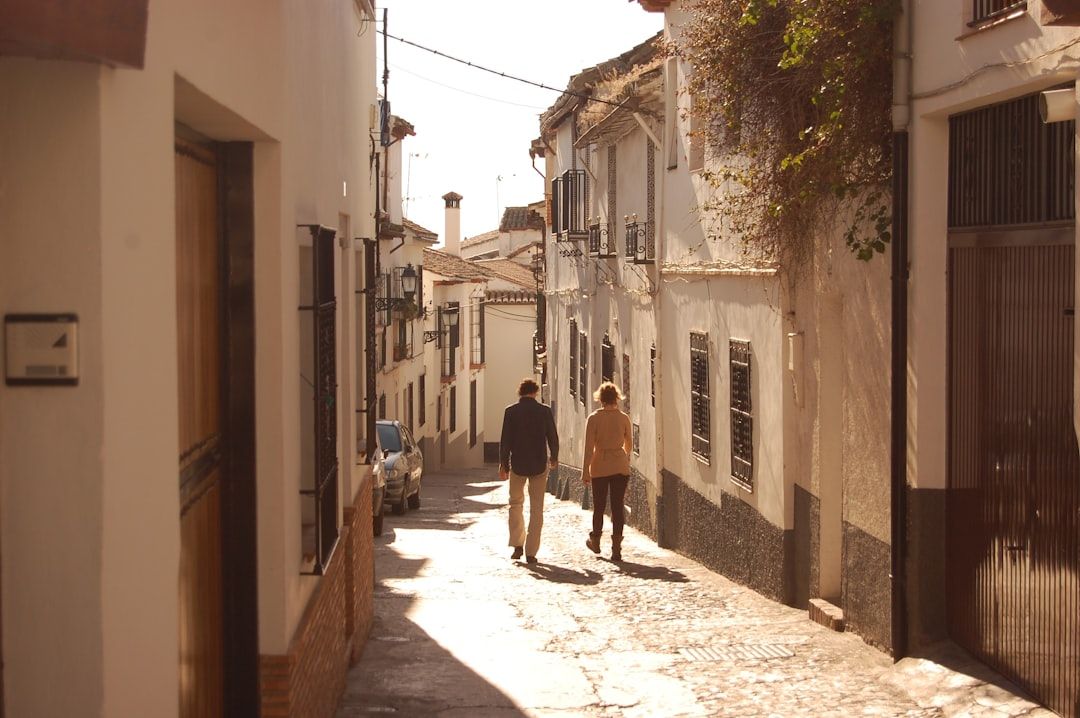
The afternoon closure
In smaller towns, shops and many restaurants close roughly 2pm to 5pm. I lost an afternoon in Ronda trying to buy things that were not buyable.
In Madrid and Barcelona city centres this has largely gone. In Andalusia it very much has not, and in July it is obviously sensible — the middle of the day inland is genuinely too hot to be outside.
The workable pattern: sightseeing before 2pm, a long lunch, rest or indoor things until 5, then out again from 6 until late. That is the local schedule and the heat is the reason for it.
The trains
I booked Madrid to Seville four days ahead and paid €68. My friend booked the same train six weeks out and paid €29.
Renfe fares are dynamic and climb steeply. The cheapest Básico tickets go first. Three to six weeks ahead is the window, and it is the difference between the AVE being expensive and being obviously better than the bus.
Also worth knowing: Ouigo and Avlo, the low-cost high-speed operators, run the Madrid–Barcelona, Madrid–Valencia and Madrid–Seville corridors from the same stations at roughly half the standard AVE fare, with tighter baggage rules.
Where there is no fast line — between Andalusian cities, or crossing into Portugal — the bus wins. Seville to Granada is three hours either way and ALSA costs less.
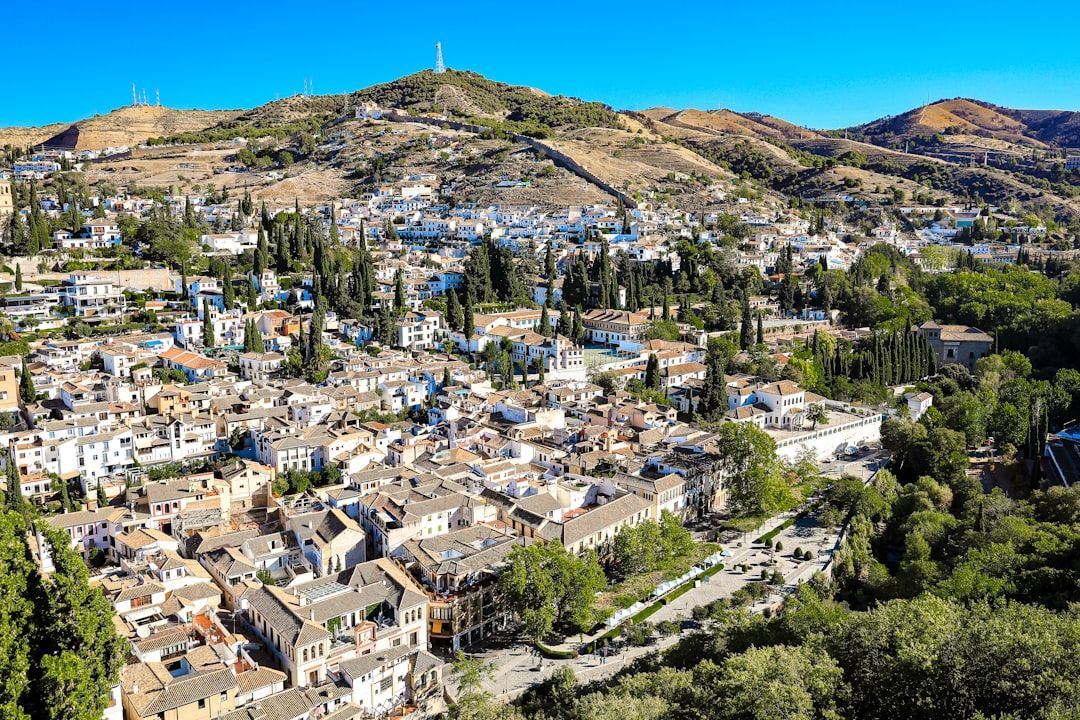
The Alhambra, which I nearly missed
I tried to buy tickets a week ahead in April. Sold out.
Daily numbers are capped and the Nasrid Palaces have a strict half-hour entry slot. Two to three months ahead is the real booking window, and I only got in because a friend had booked a spare.
This is the single most likely thing to derail a Spanish itinerary. Book it before the flights.
Small things
Granada still gives free tapas with drinks — a proper plate, not olives — which makes an evening there both cheap and excellent.
Pickpockets are organised in Barcelona and on the Madrid metro. Bag in front, nothing in back pockets.
Catalan and Basque matter in their regions. Spanish is understood everywhere, but a greeting in the local language is noticed.
Dinner reservations for 9pm feel absurd on the first night and entirely normal by the fourth.
Frequently asked questions
What time do Spanish people eat?
Lunch runs roughly 1:30pm to 3:30pm and is the main meal of the day, while dinner starts around 9pm and continues late. Restaurants serving dinner at 7pm are generally catering to tourists. Adapting to the schedule rather than fighting it is the single thing that most improves a first trip to Spain.
What is the menú del día?
A fixed-price weekday lunch of three courses plus bread and a drink, typically 12 to 18 euros, served at ordinary restaurants across Spain. It is the best value meal in the country and is what most Spanish workers eat, which is why eating your main meal at lunch rather than dinner both costs less and is better.
How far ahead should you book Spanish AVE trains?
Three to six weeks. Renfe fares are dynamic and the cheapest Básico tickets sell first, so a Madrid to Barcelona seat booked early can be a third of the walk-up price. The low-cost operators Ouigo and Avlo run the busiest corridors from the same stations at lower fares with stricter baggage rules.
Departures Diary Editorial
Travel stories from 40+ countries
Travel writers documenting slow journeys and dispatches from the road with first-person narratives.