A Week in France Without Paris
I flew into Lyon instead of Paris, which cost less, took less time and gave me a week in a France most visitors never see.
Departures Diary Editorial
August 15, 2026 · 3 min read
Key takeaways
- My original instinct was Paris, then a TGV south.
- Genuinely the food capital — the bouchons serving Lyonnais cooking, the covered market, and Vieux Lyon's Renaissance quarter with the traboules, covered passageways cutting through buildings that were used by silk…
- Sunday and Monday closures in rural France are near-universal.
I have been to Paris three times and did not want to go again. So I looked at where else flies direct, found Lyon at half the fare of a Paris flight, and built a week around it. It was the best French trip I have had.
Why the regional airport was the whole decision
My original instinct was Paris, then a TGV south. That would have been: flight to CDG, RER into the city, cross Paris between stations, two-hour TGV, arrive. Call it six hours and an extra €70.
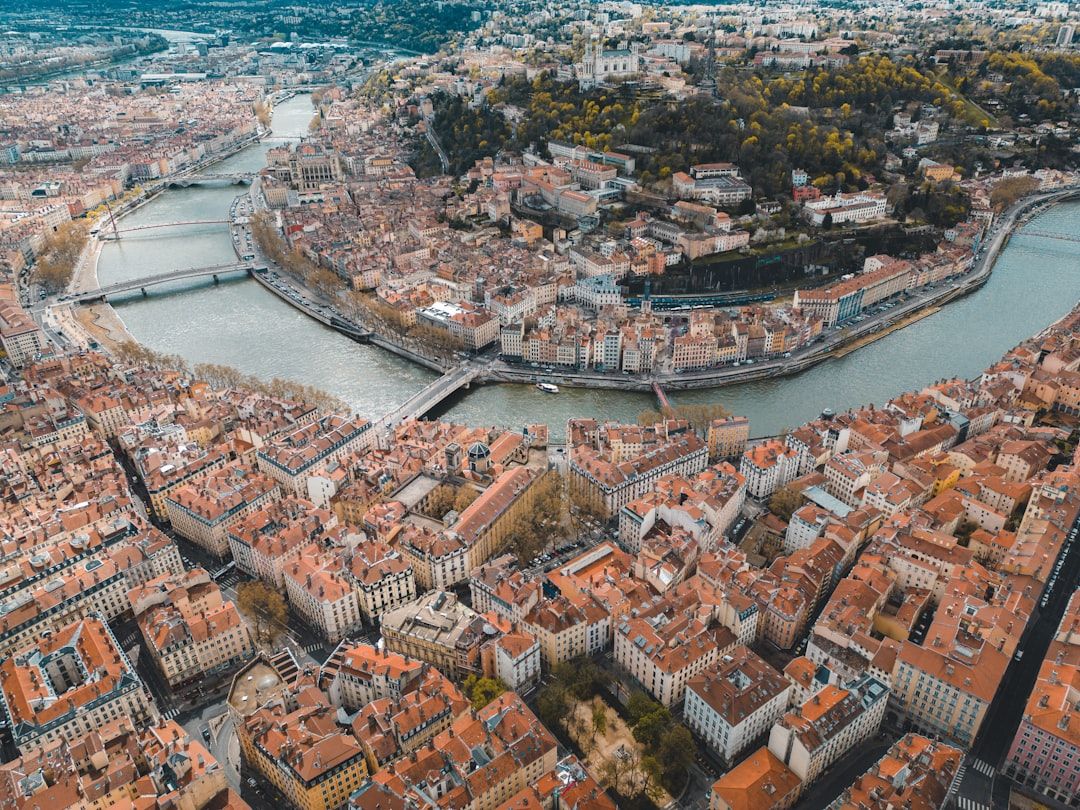
Instead: flight to Lyon, tram into the centre in half an hour. The fare was cheaper and I gained most of a day.
France has genuine regional airports at Lyon, Marseille, Nice, Bordeaux, Toulouse and Nantes. Flying to the one nearest where you are actually going is almost always better than Paris plus a train, and it is the most under-used decision in French trip planning.
The week
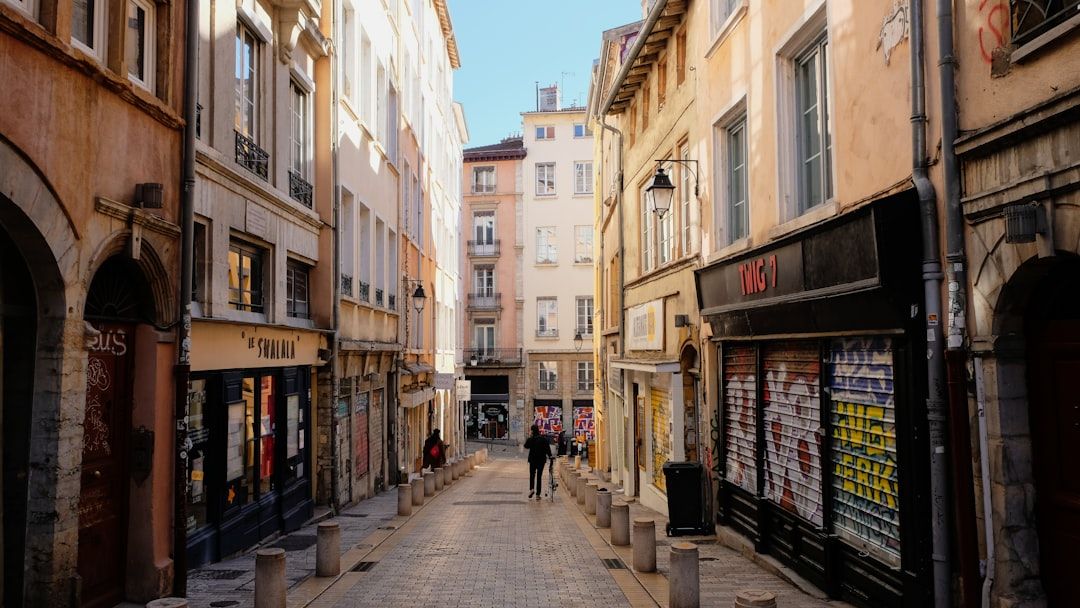
Lyon, two days. Genuinely the food capital — the bouchons serving Lyonnais cooking, the covered market, and Vieux Lyon's Renaissance quarter with the traboules, covered passageways cutting through buildings that were used by silk workers and later the Resistance. Two days is enough; three would not be wasted.
The Auvergne, three days. Rented a car in Lyon and drove west into the volcanoes.
The Puy de Dôme — an extinct cone reached by rack railway, with a view along the whole chain of forty-odd volcanoes. The Sancy massif for walking. Le Puy-en-Velay, where chapels sit on top of volcanic plugs, which is one of the strangest landscapes in Europe and had almost nobody in it.
Accommodation in the Auvergne ran €55–75 for a chambre d'hôtes against €130+ for the equivalent in Provence, and the food was better.
The Jura, two days. North-east toward the Swiss border. Waterfalls, gorges, and the vineyards around Arbois producing vin jaune — an oxidative white aged under a veil of yeast that tastes like nothing else in France. Cross-country skiing country in winter, walking country in summer.
Driving notes
Rent locally. I collected in Lyon rather than at the airport and it was cheaper — airport surcharges on French rentals are a percentage rather than a flat fee.
Tolls. The autoroute is ticket-based, €8–10 per 100 km. Use the lanes with a card symbol; the orange 't' lanes are for télépéage subscribers.
Crit'Air. French cities operate low-emission zones requiring a windscreen sticker. French rentals normally have one — confirm at pickup.
Village speed limits drop to 50 without much warning and the cameras are frequent. Fines follow the rental company home.
What it cost
| Item | 7 days, two people |
|---|---|
| Flights (Lyon return) | €180 |
| Car hire, 5 days | €215 |
| Fuel and tolls | €145 |
| Accommodation | €520 |
| Food | €390 |
Roughly €1,450 for two people for a week, in a country I had assumed was expensive because I had only ever been to Paris.
The two things to know
Sunday and Monday closures in rural France are near-universal. I arrived in a village on a Sunday evening assuming I would find dinner and ate crisps from a petrol station.
Mid-August closes things too, when rural France takes its own holiday. May, June and September are better in every respect — weather, opening hours and prices.
Some French helps considerably more here than in Paris. Not fluency — just bonjour before every interaction, which is the actual rule about politeness in France and matters more than vocabulary.
Frequently asked questions
Is it worth flying into a French regional airport instead of Paris?
For any trip not centred on Paris, usually yes. Lyon, Marseille, Bordeaux, Toulouse and Nantes all have genuine city connections, and flying to the one nearest your destination avoids both a TGV fare and the crossing of Paris between stations, which frequently costs half a day.
Do you need a car for rural France?
Largely yes. The TGV network connects cities well but rural bus services are sparse and drop further outside school terms. Renting locally from a regional city rather than driving out of Paris is cheaper and avoids the low-emission zone rules that apply in the capital.
What is the Auvergne like?
A volcanic landscape in the middle of France — extinct cones, crater lakes and the Sancy massif — with thermal spa towns, excellent cheese and very few international visitors. The Puy de Dôme is reachable by rack railway and gives a view along the whole volcanic chain.
When do rural French businesses close?
Sunday and Monday closures are near-universal outside cities, and mid-August sees many rural restaurants and shops shut for two or three weeks while owners take their own holiday. May, June and September avoid both problems and have better weather for walking.
Departures Diary Editorial
Travel stories from 40+ countries
Travel writers documenting slow journeys and dispatches from the road with first-person narratives.