Photographing Lisbon: Light, Hills and the Tram Everyone Shoots
Lisbon's light is genuinely different and its best viewpoints are free, but the famous tram shot involves standing in a working street with pickpockets.
Departures Diary Editorial
August 15, 2026 · 4 min read
Key takeaways
- The light here is genuinely distinctive — Atlantic, clear, bouncing off white limestone and pale tiles — and it rewards being out at the right hours far more than being in the right places.
- Lisbon's viewpoints are free, spread across seven hills, and each faces a different direction.
- The yellow tram on a narrow street is the Lisbon photograph.
- The hills are steeper than they photograph.
- Santa Luzia: East over Alfama and river — Morning.
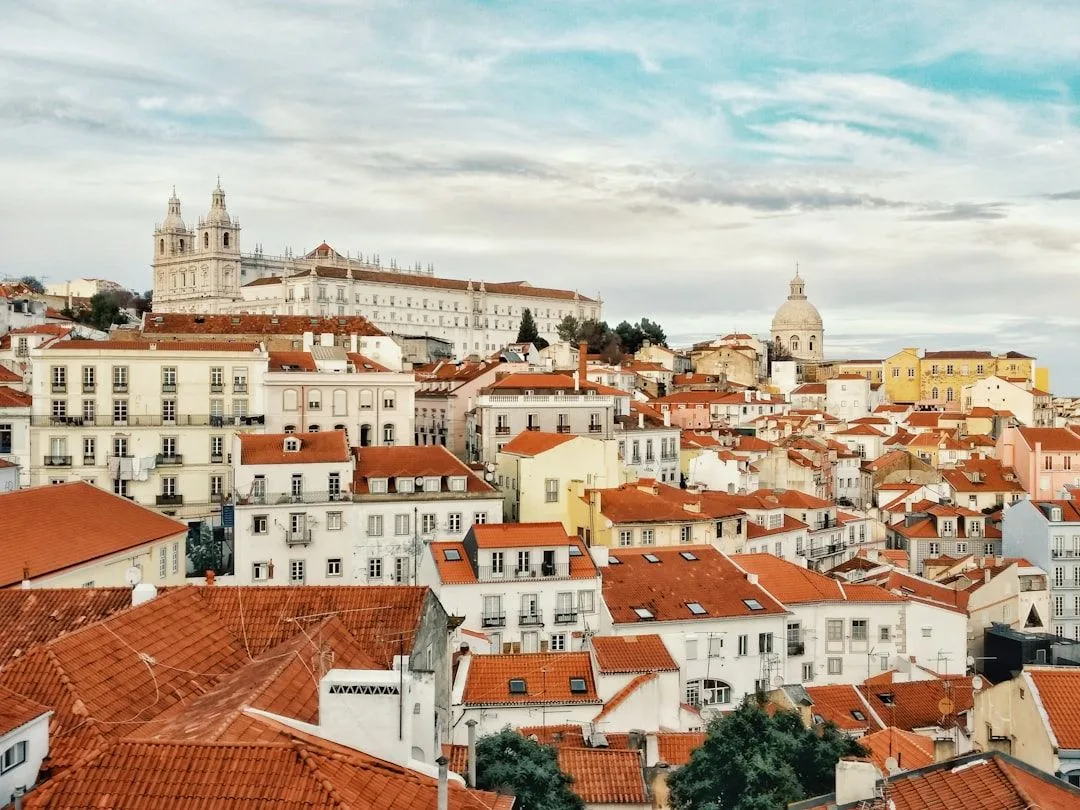
I spent five days in Lisbon trying to photograph it and got the famous shots wrong before getting the city right. The light here is genuinely distinctive — Atlantic, clear, bouncing off white limestone and pale tiles — and it rewards being out at the right hours far more than being in the right places.
The miradouros, by time of day
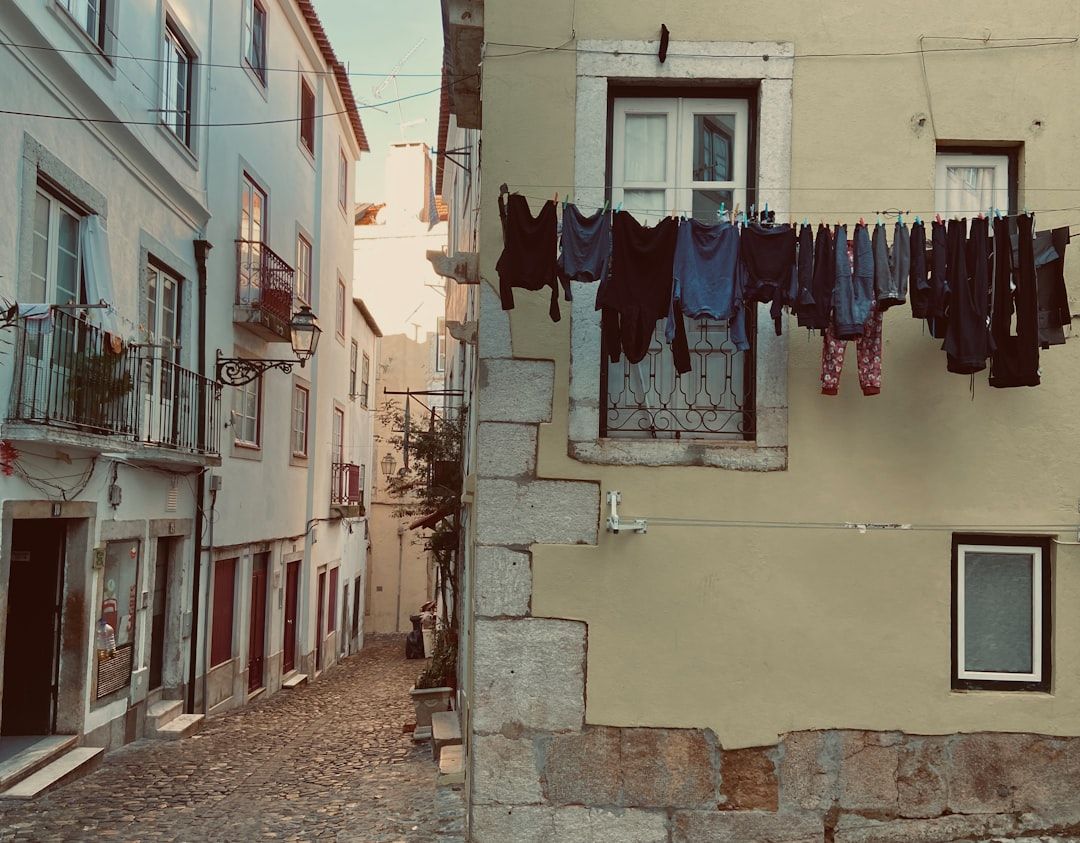
Lisbon's viewpoints are free, spread across seven hills, and each faces a different direction. That is the whole trick — it is not which one, it is which one now.
| Viewpoint | Faces | Best at |
|---|---|---|
| Senhora do Monte | West over the whole city | Sunset |
| Graça | West, castle in frame | Sunset |
| Santa Luzia | East over Alfama and river | Morning |
| Portas do Sol | East over Alfama rooftops | Morning |
| São Pedro de Alcântara | East toward the castle | Late afternoon |
Senhora do Monte is the highest and gets crowded at sunset with people and tripods competing for the wall. Arriving forty minutes early is the difference between a position and a struggle.
The tram 28 problem
The yellow tram on a narrow street is the Lisbon photograph. Two things about getting it.
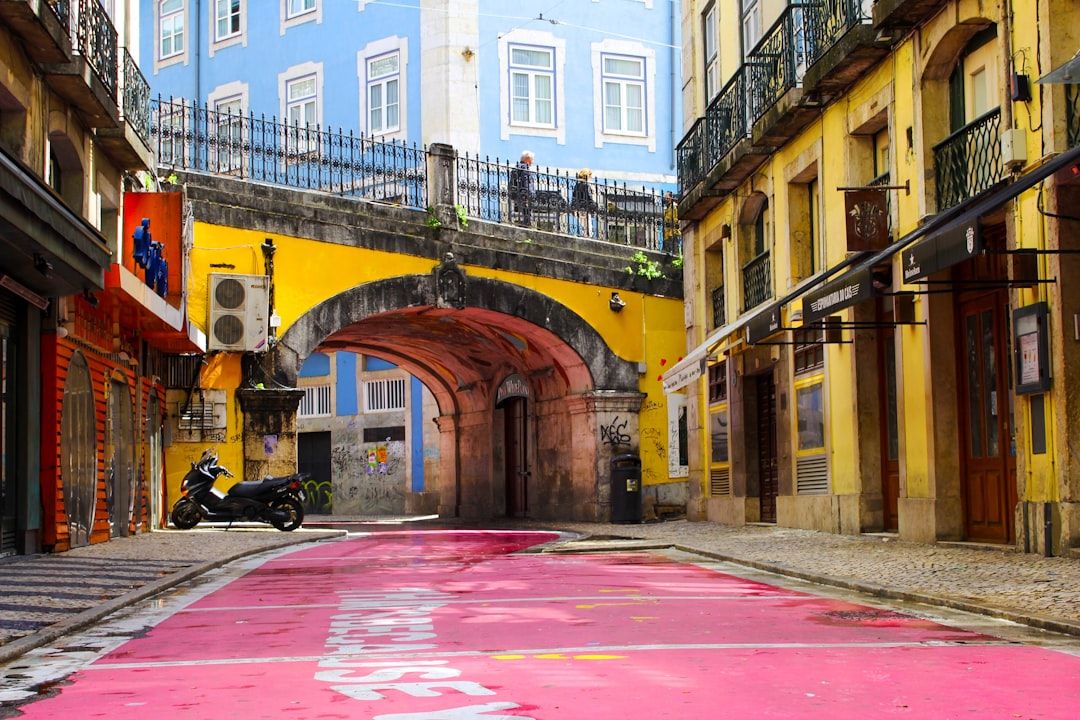
These are working streets. Tram 28 runs through Alfama and Graça on roads barely wider than the tram, with residents trying to get past. Standing in the middle of the track to frame a shot is both dangerous and rude, and by mid-morning there are a dozen people doing it.
Early morning is the only calm window. Before about 8:30 the light is good, the tram is running, and the street is not full of other photographers.
The other thing: tram 28 is the most reported pickpocketing location in Portugal. Riding it with a camera out and attention elsewhere is exactly the situation thieves work. Ride early, keep the bag in front, and take the pictures from the street rather than the crowded interior.
Tram 12 covers similar ground with a fraction of the tourists if you just want the tram in a street.
Where the light actually does something
Alfama in late afternoon. The city faces south over the Tagus and the low western sun hits the whole eastern hillside at once. From Portas do Sol the rooftops go orange for about twenty minutes.
The azulejo façades anywhere in Graça, Príncipe Real and Campo de Ourique. Overcast days are better for these than bright sun, which blows out the glaze.
Praça do Comércio at sunrise, empty, with the arch and the river.
The 25 de Abril bridge from Cais do Sodré or Alcântara, especially in evening haze.
Belém at first light — the tower is unphotographable by ten in the morning because of the crowd.
The practical problems
The hills are steeper than they photograph. Carrying a bag of equipment up to Senhora do Monte in July is a serious undertaking. The funiculars — Bica, Glória, Lavra — and the Santa Justa lift exist for a reason and are worth the fare.
The calçada is slippery. Polished limestone paving in rain is genuinely treacherous, and carrying a camera makes a fall expensive as well as painful. Shoes with grip.
Sunset is contested. The good miradouros fill up. Either arrive early or go to a lesser-known one — Santa Catarina and Torre de Belém's riverside both work.
What I would do differently
Fewer locations, more hours. I spent five days moving between viewpoints and the pictures I kept are almost all from the two evenings I stayed in one place and let the light change.
And I would go up to Graça at 7am rather than 7pm. Same view, no crowd, and the city waking up underneath it.
Frequently asked questions
What are the best viewpoints in Lisbon?
The miradouros are free and spread across the hills — Senhora do Monte and Graça are highest and best at sunset, Santa Luzia and Portas do Sol look over Alfama and the river and work in the morning, and São Pedro de Alcântara faces the castle and suits late afternoon. Each faces a different direction, so the time of day matters more than the ranking.
Is tram 28 worth photographing?
It is the classic Lisbon image and the streets it runs through are working roads, narrow and busy. Early morning is the only time it is calm enough to shoot without obstructing people or standing in traffic. It is also the single most reported location for pickpocketing in Portugal, so a camera out demands attention.
When is the light best in Lisbon?
The hour after sunrise and the two hours before sunset, as everywhere, but Lisbon's Atlantic light is unusually clear and the white limestone and pale tiled buildings reflect it strongly. The city faces south over the river, so late afternoon light hits the whole eastern face of Alfama at once.
What should photographers know about Lisbon's hills?
The calçada paving is polished limestone and becomes genuinely slippery in rain, and the hills are steeper than they appear in photographs. Shoes with grip matter, tripods on the miradouros at sunset compete for space, and the funiculars and the Santa Justa lift save considerable climbing for anyone carrying equipment.
Departures Diary Editorial
Travel stories from 40+ countries
Travel writers documenting slow journeys and dispatches from the road with first-person narratives.